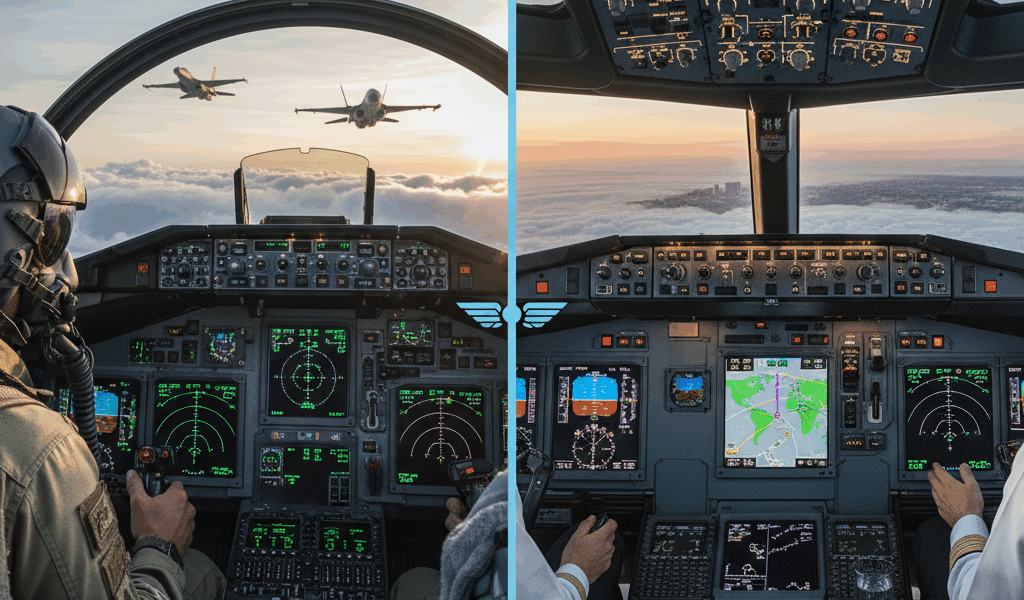
Transitioning careers has gotten complicated with all the options and timing considerations flying around for military pilots looking at the airlines.
For many military pilots, the airline industry represents an attractive second career that leverages everything they’ve learned. The current pilot shortage has made transitions smoother than ever before, with major carriers actively recruiting military aviators and offering competitive compensation packages that turn heads.
Timing Your Transition
Probably should have led with this section, honestly. Airlines value military pilots for their extensive training, crew resource management skills, and experience in demanding environments where mistakes have real consequences. However, seniority-based advancement means earlier hiring translates to faster progression to captain and better schedules down the road. Pilots leaving the military in their early 30s may reach senior captain positions at major airlines with decades left to enjoy it, while those transitioning later have less time to build the seniority that matters.
That’s what makes military retirement timing so important to consider carefully. Those close to 20-year retirement might benefit from completing their pension before transitioning since that income follows you forever, while others may prioritize starting airline careers earlier to maximize career earnings and schedule preference over the long haul.
Certification Requirements
Military pilots typically need an Airline Transport Pilot certificate for airline employment regardless of how much military time they’ve logged. The restricted ATP allows military pilots with 750 hours total time to qualify, compared to 1,500 hours for civilian pilots, recognizing the rigor of military training that exceeds civilian requirements.

Additional requirements include instrument and multi-engine ratings, which most military pilots already hold equivalents for through their existing qualifications. Type ratings for specific airline aircraft are typically provided by the hiring airline during training at their expense rather than yours.
The Application Process
Major airlines typically require applications through their online portals like everyone else, followed by interviews that assess technical knowledge, situational judgment, and interpersonal skills that determine how well you’ll fit crew dynamics. Many conduct simulator evaluations to verify flying ability beyond what your logbook shows.
Regional airlines often serve as stepping stones to majors for civilian pilots, though the current shortage has major carriers hiring directly from military more frequently than ever. Networking through military pilot organizations and airline pilot associations can provide valuable guidance and connections that get your resume to the top of the pile.
Quality of Life Comparison
Airline careers offer more predictable schedules than military flying once you’ve built some seniority, with senior captains often working 12-15 days monthly and enjoying weeks off at a time. Compensation at major carriers significantly exceeds military pay, with widebody captains earning well into six figures annually. However, initial years may involve less desirable routes and schedules until seniority accumulates—you pay your dues just like in the military.



Leave a Reply