Choosing Between Air Force and Navy Aviation Careers
Choosing a service branch has gotten complicated with all the different opportunities and career paths flying around military aviation today. As someone who’s talked extensively with pilots from both services about their experiences, I learned everything there is to know about what makes each option unique. Today, I will share it all with you.
Aspiring military pilots face a fundamental choice early in their careers that will shape everything that follows. Both the Air Force and Navy produce world-class aviators that can compete with anyone in the world, but the paths differ significantly in training, lifestyle, and operational focus. Understanding these differences helps candidates choose the service that best matches their goals and temperament before they commit.
Training Philosophies
Probably should have led with this section, honestly. Air Force pilot training emphasizes standardization and systematic skill building across all platforms. Students progress through structured phases with clear checkpoints and evaluation criteria that leave nothing to chance. The approach produces consistent results across diverse aircraft communities and scales well as the force grows.
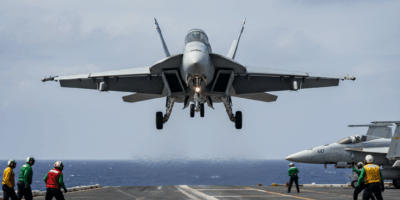
Navy training shares core elements but adds carrier qualification requirements that fundamentally shape the experience in ways Air Force training doesn’t touch. Landing on a moving ship at night in rough seas creates stress that builds resilience and precision you can’t get anywhere else. Naval aviators argue this additional crucible produces superior aviators who can handle anything. Air Force pilots respectfully disagree, though they acknowledge the skill involved.
Aircraft Opportunities
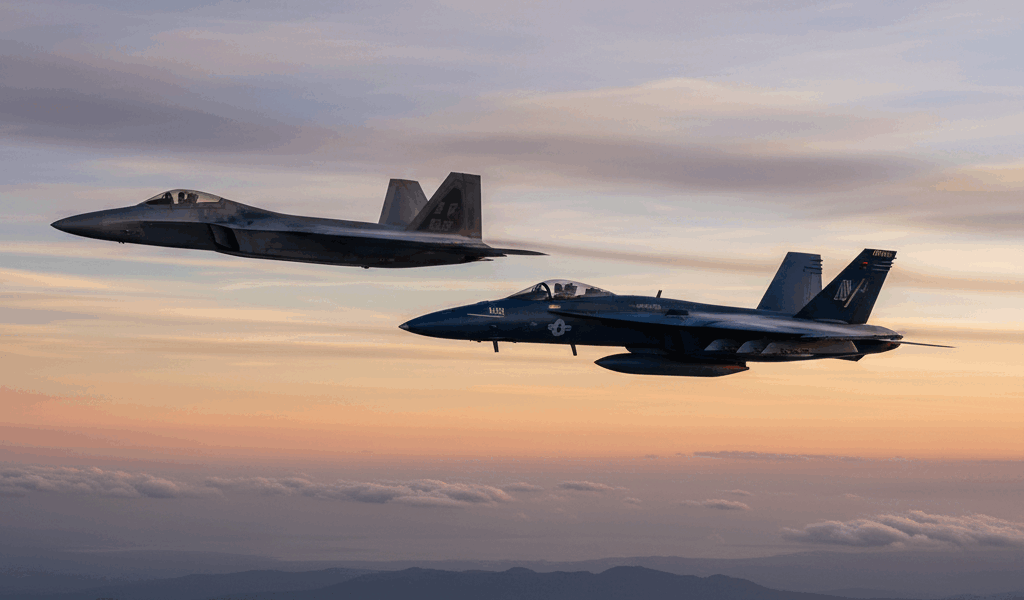
Both services offer diverse aircraft assignments, but the specific platforms differ in important ways. The Air Force operates dedicated air superiority fighters like the F-22 Raptor that the Navy simply lacks access to. The Navy offers carrier-based strike fighters like the F/A-18 Super Hornet operating in a unique shipboard environment that Air Force pilots never experience.
That’s what makes transport opportunities interesting too—they differ quite a bit between services. Air Force pilots fly massive C-17s and C-5s on global airlift missions that span continents. Navy pilots operate smaller carrier-capable logistics aircraft with different mission profiles focused on fleet support rather than strategic lift.
Deployment Patterns
Navy pilots deploy on aircraft carriers for six to eight month cruises that become defining experiences. These deployments offer sustained operational flying in real-world conditions but separate families for extended periods that take a toll. Shipboard living provides its own challenges and rewards that either appeal to you or don’t—there’s not much middle ground.

Air Force pilots typically deploy to forward operating bases for shorter periods, though deployment frequency varies significantly by platform and global requirements at any given time. The Air Force lifestyle offers more geographic stability between deployments, which matters if you’re trying to maintain relationships back home.
Quality of Life Factors
Air Force bases often provide better family amenities than naval air stations in terms of housing, schools, and general infrastructure, though notable exceptions exist depending on location. Navy aviators argue that carrier deployments build unit cohesion impossible to replicate in Air Force expeditionary deployments—you’re literally stuck together on a ship for months.
Both services offer excellent aviation careers that will challenge you and make you proud of what you accomplish. The best choice depends on which environment resonates with individual candidates and what lifestyle trade-offs you’re willing to make. Talking with pilots from both services provides invaluable perspective before committing to a path that will define the next decade or more of your life.

Leave a Reply