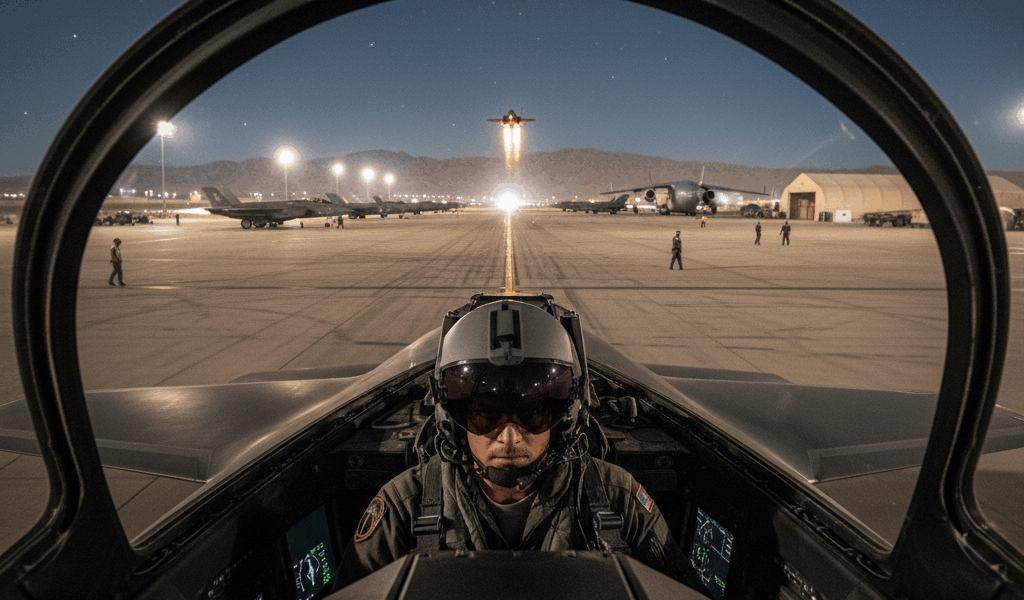
What Deployment Looks Like for Military Pilots in Combat Zones
Deployment has gotten complicated with all the operational requirements and coordination flying around today’s combat zones.
The weeks before deployment hit different than anything else in your career. Training intensifies across the board. Your squadron stops practicing theoretical scenarios and starts rehearsing the exact missions you’ll fly in theater. You update your will because that’s just what you do. You arrange childcare and power of attorney. You attend the mandatory briefings that seem endless but that someone in leadership decided you absolutely needed to hear before heading out.
Then you board a transport or fly your fighter across oceans with tanker support keeping you fueled. Days blur together in transit. You arrive in a location that’s either hotter, colder, dustier, or some combination of all three compared to where you trained back home. The first week is pure disorientation—new procedures, new threat locations, new coordination requirements with forces who’ve been there for months and know things you don’t yet.
Combat Flying Has Different Rhythms
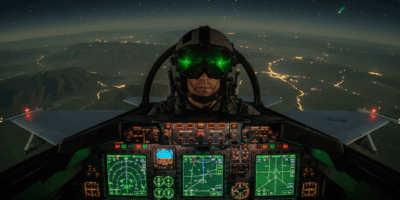
Probably should have led with this section, honestly. Mission planning starts 12 hours before your scheduled takeoff, which means you’re thinking about flying long before you’re actually flying. You study targets, threats, terrain, contingencies—details that matter because mistakes carry actual consequences now instead of just bad grades. The briefing takes three hours. The flight takes five. The debrief takes another two. You’re on your feet most of that time, focused on details that would seem excessive in training but make complete sense when lives depend on mission success.
Sorties run longer than training flights ever prepared you for. Eight-hour combat air patrol missions with multiple aerial refuelings become your normal Tuesday. Your brain adapts to maintaining focus despite fatigue that would end a training sortie back stateside. You learn your limit and then push past it because the mission doesn’t care about your limit one bit.
Here’s what nobody tells you before you go: most combat sorties return without engaging anything. You fly the mission exactly as briefed. You maintain your position in the stack. You stay ready for hours on end. And nothing happens. You return to base, debrief what didn’t happen, and come back the next day to do it all over again. That’s what makes the psychological challenge so real—maintaining combat readiness for events that rarely occur demands mental discipline that separates experienced pilots from everyone else.
When Actual Combat Happens
Troops-in-contact calls change everything instantly. Ground forces engaged with enemies call for air support and suddenly all that waiting evaporates. The adrenaline is real. The weight is real. Friendly soldiers depend on you getting it right when it matters. You identify targets through your systems. You confirm rules of engagement with the JTAC. You assess civilian presence in the area. You execute the attack. Then you live with what happens next for the rest of your life.
Taking human life, even enemy combatants trying to kill your guys on the ground, affects you. Training never conveys that weight no matter how realistic the simulations get. The responsibility hits differently when deconfliction is measured in seconds and mistakes have permanent consequences for real people. Not every engagement works perfectly either. Mechanical failures, coordination problems, bad timing prevent even well-planned attacks from succeeding. You process those setbacks while maintaining combat effectiveness for the next mission. That requires resilience that only comes with actual experience.
The Days Between Missions
Deployed life alternates between waiting and intensity in ways that mess with your head. You develop routines to cope with it. PT at dawn because the gym is the only refuge where you can clear your head without someone needing something from you. Reading before sleep because it quiets the mind better than scrolling your phone at 2 AM wondering about home. Phone calls home at the only hours when time zones actually align, which never feels like enough.
Forward operating locations vary wildly depending on where you’re sent. Some bases have good chow halls, reliable internet, air-conditioned trailers that almost feel civilized. Others offer container housing, inconsistent power, lukewarm showers, and spotty communications that test your patience daily. You adapt because adaptation is the only option available. The quality of your daily routine directly determines how you perform when the mission matters most.
Family connections suffer regardless of how good your base situation is. Your kid’s birthday happens while you’re flying a mission and you miss the video call. Your anniversary passes with a text message instead of dinner. Your spouse handles medical decisions, school problems, household emergencies alone because you’re literally on the other side of the world. Modern communication technology helps bridge the gap, but it doesn’t replace being present when it matters. You accept missed moments as deployment costs that nobody can avoid.
Carrier Deployments Are a Different Animal
Navy pilots live aboard ship for months at a stretch. Your bunk is cramped beyond belief. Privacy doesn’t exist anywhere. The ship’s schedule controls your entire day without exception. Reveille, flight ops, maintenance, sleep—repeat for months until you forget what normal life felt like. But something happens in that environment that shore-based pilots miss out on. You develop cohesion with your squadron that ashore pilots rarely experience. You’re all in the same container, facing the same challenges, relying on each other absolutely.
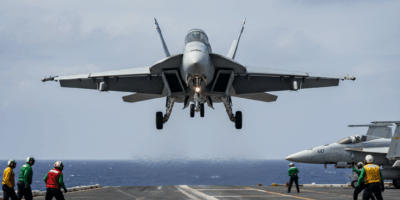
Carrier recovery after a combat mission tests every skill you have all at once. You’re fatigued from hours in the cockpit. Your jet might have damage from the mission. The weather’s marginal at best. The ship’s moving through the water. You have to catch a wire or things get complicated fast. Night carrier landings in that situation represent pilot performance at the absolute edge of human capability.
Port calls are survival, pure and simple. You step off that ship into a foreign city, taste real food that wasn’t prepared in a galley, experience privacy for the first time in weeks, and remember there’s a world outside your squadron ready room. Three days of that helps you survive the next two months at sea without losing your mind.
Coming Home Changes You
Reintegration surprises most pilots who’ve been deployed. Your family changed while you were gone. Your house got updated without your input. Your spouse handled issues you would have managed yourself. The kids grew in ways photos don’t capture. Relationships evolved without you being part of the process. Coming back to life after six months away requires adjustment on everyone’s part, and that’s harder than most people expect.
Combat experiences process slowly once you’re home. Things that seemed manageable in theater become troubling when you’re sitting in your living room. You have time to think now. You have quiet that you didn’t have downrange. Some pilots struggle with what happened over there. Support resources exist for those who need them, but you have to recognize you need help before reaching out, and that’s its own challenge.
Most deployed pilots describe the experience as transformative in ways they didn’t anticipate. The years of training finally found purpose. You performed at the highest level of your profession when it counted. You flew combat missions that mattered. You came home to tell about it. That validation changes you permanently—in ways that matter and ways that take time to fully understand.

Leave a Reply