
Daily life in military aviation has gotten complicated with all the requirements and responsibilities flying around squadron life today.
Beyond the glamour and excitement that movies portray, what does daily life actually look like for military pilots? From pre-dawn briefs to post-flight debriefs that last longer than the flight itself, the reality involves far more than just strapping into a jet and pulling G’s.
The Morning Routine
Probably should have led with this section, honestly. Most flying days start before sunrise. Pilots arrive at the squadron two to three hours before scheduled takeoff to prepare for their missions. That means if you’re flying at 0900, you’re showing up at 0600 or earlier—and that’s assuming nothing complicated needs planning.
The day begins with checking scheduling boards, reviewing weather, and ensuring the aircraft is ready. Maintenance status updates tell pilots what jets are available and which ones have issues that might affect mission execution.
Mission Planning and Briefing
That’s what makes mission planning so time-consuming—you can’t just show up and fly. Pilots study threat locations, review airspace restrictions, coordinate with other units, and build detailed flight plans covering every contingency. For complex missions, planning might start days in advance.
The formal brief covers everything: weather conditions, mission objectives, tactical procedures, emergency scenarios, and contingency plans. Every pilot must understand not just what they’re doing, but what everyone else is doing and how to respond if things go wrong.
The Actual Flying
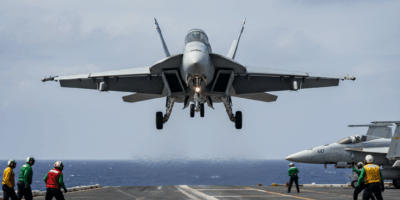
Actual flight time might be only a fraction of the duty day. A training sortie typically lasts one to two hours for fighters, longer for transport aircraft. Combat missions can extend much longer with aerial refueling keeping jets airborne for extended periods.
After landing, pilots complete paperwork documenting any aircraft issues, then head to debrief. This session often lasts longer than the flight itself, with every decision analyzed and lessons extracted. The goal is continuous improvement—even good flights get scrutinized for ways to do better next time.
Additional Duties
Flying is actually a small part of most duty days. Pilots serve as scheduling officers, safety officers, training officers, and fill countless other roles that keep squadrons functioning. Paperwork, meetings, and administrative tasks consume hours that civilians never see.
Physical training remains mandatory throughout careers. Pilots must maintain fitness standards that ensure they can handle G-forces and emergency situations. Most squadrons have dedicated PT time, and pilots who let fitness slide find themselves struggling in the aircraft.
Why They Do It
Despite long hours, time away from family, and demanding schedules, pilots overwhelmingly describe their careers as worth every sacrifice. The camaraderie, the challenge, and the knowledge that few people ever experience what they do keeps them coming back. Real pilots share that the tough days fade from memory while the incredible moments of flight stay with them forever.

Leave a Reply