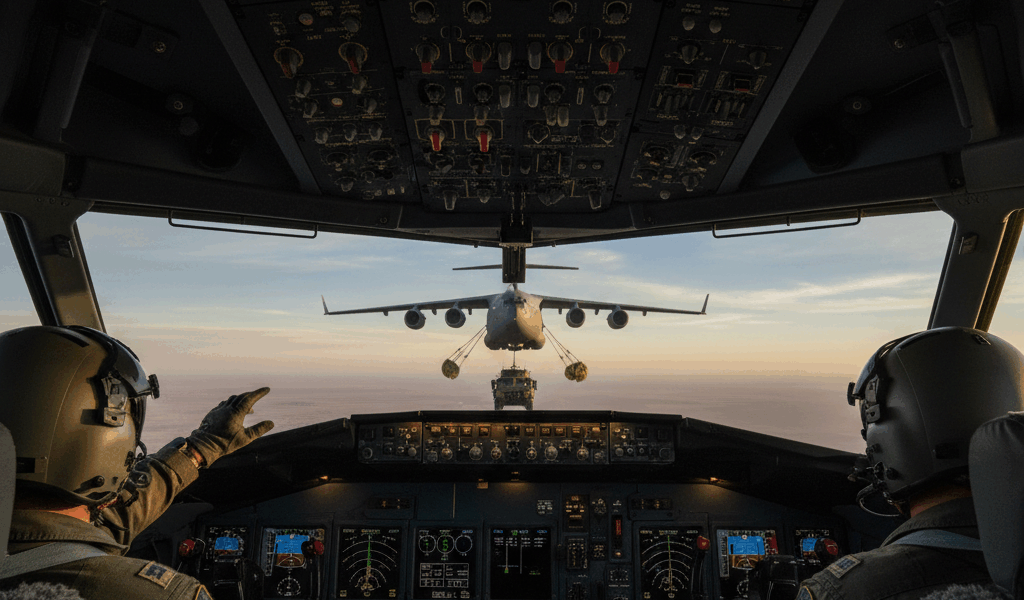
Heavy airlift has gotten complicated with all the different missions and operational requirements flying around Air Mobility Command these days.
The C-17 Globemaster III represents one of the most versatile and capable aircraft in military aviation, even if it doesn’t get the attention fighters receive. For pilots, it offers a unique career path combining tactical airlift missions with global humanitarian operations and combat support worldwide that keeps you busy.
The C-17 Mission Set
Probably should have led with this section, honestly. C-17 pilots execute an extraordinary range of missions that most people never think about. Strategic airlift moves troops and equipment across oceans in hours when ships would take weeks. Tactical missions deliver cargo to austere airfields with short, unpaved runways that would be impossible for commercial aircraft to even attempt. Aeromedical evacuation brings wounded personnel to advanced care facilities, often directly from combat zones where minutes matter.
That’s what makes this aircraft remarkable—it can carry 170,900 pounds of cargo, including M1 Abrams tanks and Apache helicopters that would require special equipment anywhere else. It lands on runways as short as 3,500 feet and can perform combat offloads while rolling, delivering pallets in seconds rather than the typical unloading time that takes forever.
Training Pipeline for Heavy Aircraft
After completing Undergraduate Pilot Training, aspiring C-17 pilots attend the C-17 Formal Training Unit at Altus Air Force Base in Oklahoma where everything specific to this airframe happens. The course covers aircraft systems, normal and emergency procedures, and mission-specific training over approximately four months of intensive work.
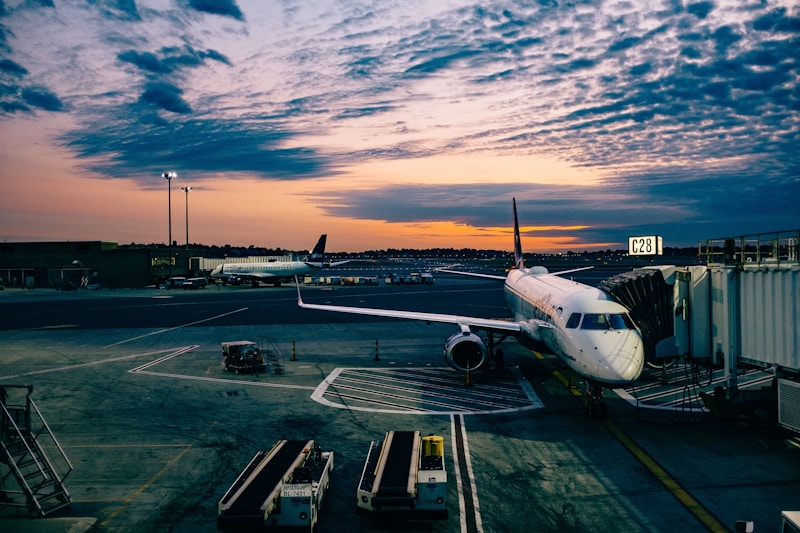
Training emphasizes crew coordination since the C-17 operates with a crew of three: two pilots and one loadmaster who manages everything in the back. Unlike older cargo aircraft requiring a flight engineer and navigator, the C-17 cockpit is highly automated, placing greater responsibility on the two-pilot crew to manage systems that used to require more people.
Operational Tempo and Lifestyle
C-17 pilots should expect significant time away from home—that’s just the nature of global airlift. Missions regularly span multiple days, flying to locations across the globe that most people only read about. Some crews specialize in particular regions or mission types, while others maintain broader qualifications that take them everywhere.
The compensation includes flight pay, and the experience translates directly to civilian cargo airline careers when you’re ready to move on. Many C-17 pilots transition to FedEx, UPS, or Atlas Air after their military commitment, with starting salaries often exceeding what they earned in uniform while flying similar missions with better schedules.

Leave a Reply