
Fifth-generation fighter comparisons have gotten complicated with all the capabilities and mission sets flying around modern tactical aviation.
The F-35 Lightning II and F-22 Raptor represent the pinnacle of American air power that no other nation can match. But how do these fifth-generation fighters actually compare in capabilities, mission roles, and pilot experience? The answer is more nuanced than most people realize.
Different Missions, Different Aircraft
Probably should have led with this section, honestly. The F-22 was designed as a pure air superiority fighter—its primary job is destroying enemy aircraft and establishing control of the skies. Everything about the Raptor optimizes for that mission: thrust vectoring for unmatched maneuverability, supercruise capability to maintain supersonic speed without afterburner, and the most advanced air-to-air radar ever fitted to a fighter.
The F-35 takes a different approach as a multirole platform. It can fight air-to-air but also excels at ground attack, reconnaissance, and electronic warfare. That’s what makes the Lightning II so valuable—one aircraft can do jobs that previously required multiple specialized platforms.
Stealth and Sensors
Both aircraft feature stealth technology that makes them nearly invisible to enemy radar, but they achieve it differently. The F-22 was designed when stealth was the absolute priority, resulting in remarkable radar cross-section performance from all angles. The F-35 optimizes stealth primarily from the front aspect, accepting some compromises to accommodate its multirole capabilities.
The F-35’s sensor fusion gives it an edge in situational awareness that pilots consistently praise. Information from radar, infrared sensors, electronic warfare systems, and datalinks automatically combines into a single picture. F-22 pilots must do more manual correlation of sensor data, though upgrades continue closing that gap.
Flying Experience
Pilots describe the F-22 as the ultimate air-to-air platform that inspires confidence in any engagement. The combination of speed, maneuverability, and stealth means Raptor pilots can dictate the terms of any fight. It’s the aircraft pilots dream about flying.
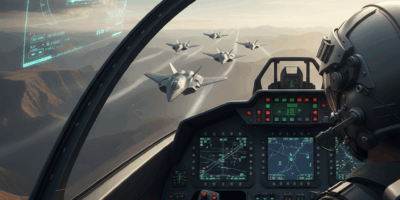
F-35 pilots emphasize the incredible situational awareness their aircraft provides. They see enemies before being seen, coordinate with other platforms seamlessly, and handle multiple mission types in ways older aircraft can’t match. The learning curve is different—less about stick-and-rudder skills and more about managing information flow.
Numbers and Future
The F-22 production ended at 187 aircraft, making it relatively rare. The F-35 continues production with thousands planned across three variants for the Air Force, Navy, Marine Corps, and allied nations. That’s the future of tactical aviation whether critics accept it or not.
Both aircraft represent extraordinary achievements in aviation technology. Aspiring pilots should understand that assignments to either platform require exceptional performance throughout training—these are the most sought-after assignments for good reason.


Leave a Reply